

What is a sign board? A sign board is a visual communication tool used to identify a place, guide people, communicate safety information, display rules, or promote a business. Sign boards appear in shops, offices, hospitals, schools, factories, residential buildings, transport facilities and public spaces across India.
If you are asking what is a sign board before requesting a quotation, start with its purpose, location and viewing conditions. This guide explains the main purposes, types, materials and buying considerations in plain language. It is intended to help buyers prepare a clear requirement before approaching a manufacturer or installer.
What is a sign board?
A sign board combines words, symbols, colours, graphics or lighting to deliver a message at a particular location. A simple nameplate identifies a room or person. A shop fascia identifies a business. Directional signs help visitors find a destination. Safety signs warn about hazards or show an emergency route.
The most effective sign is not necessarily the largest or most expensive. It is the one that communicates the required message clearly to the intended viewer under the actual viewing conditions.
What are sign boards used for?
- Identification: business names, building names, departments, rooms and facilities.
- Direction and wayfinding: arrows, directories, floor maps, parking guidance and destination signs.
- Information: opening hours, visitor instructions, service details and public notices.
- Safety: warnings, prohibitions, mandatory actions, fire-safety information and emergency exits.
- Brand visibility: shop fronts, office reception signs, exhibition graphics and promotional displays.
Seven common types of sign boards
Understanding what is a sign board also means recognising that different applications need different formats.
Non-illuminated sign boards
These rely on ambient light and are commonly used for nameplates, directions, safety messages, informational panels and indoor identification.
Illuminated sign boards
These use an internal or external light source to improve visibility in low-light conditions. Common formats include light boxes, backlit panels and illuminated letters.
LED sign boards
LEDs may illuminate fixed letters and graphics or form an electronic display capable of changing content. The correct configuration depends on viewing distance, brightness, location, operating hours and maintenance access.
Digital signage
Digital signage uses screens or electronic displays for changing information, menus, announcements or advertising. It may also require a media player, content-management system, network connection and a plan for ongoing support.
Directional and wayfinding signs
A wayfinding system connects identification, directional and destination signs so that visitors can navigate a building, campus or public facility consistently.
Safety and regulatory signs
These communicate hazards, restrictions or required actions. Their wording, symbols, placement and visibility should follow the rules applicable to the premises and activity.
Commercial and shop signs
These include fascia boards, projecting signs, window graphics, reception signs and branded directional signs. Design should balance visibility with the building frontage and local requirements.
Common sign-board materials
The answer to what is a sign board is shaped partly by how its material performs in the intended environment.
- Acrylic: widely used for letters, panels, reception signs and illuminated applications.
- Aluminium composite panel (ACP): frequently used as a fabricated background or cladding surface.
- Aluminium and steel: used for frames, structures, letters and outdoor assemblies where engineering and corrosion protection matter.
- PVC and foam boards: commonly used for lightweight indoor displays and temporary communication.
- Vinyl graphics: used for lettering, printed graphics, windows and suitable prepared surfaces.
- Reflective sheeting: used where signs must return light toward the viewer, subject to the relevant specification.
Material names alone do not determine durability. Thickness, grade, fabrication, surface preparation, fasteners, electrical components, weather exposure and installation quality all affect service life.
How to choose the right sign board
When deciding what is a sign board best suited to your project, work through these steps:
- Define the purpose. Decide whether the sign must identify, direct, warn, inform or promote.
- Measure the location. Record available space, mounting surface, viewing distance and likely obstructions.
- Check the environment. Note whether it is indoors or outdoors and consider rain, heat, dust, wind and direct sunlight.
- Decide on visibility. Specify normal viewing hours, lighting conditions and whether illumination is genuinely required.
- Prepare the content. Finalise the name, message, language, logo files, arrows and contact details before production.
- Plan installation and access. Consider safe mounting, electrical supply, maintenance access and future replacement.
- Compare quotations consistently. Ask every supplier to quote against the same dimensions, materials, lighting, structure, installation and warranty requirements.
What information is needed for a sign-board quotation?
A supplier can answer what is a sign board likely to cost only after receiving a clear and comparable project brief.
- Installation city and complete site type
- Indoor or outdoor location
- Approximate width, height and depth
- Photographs of the proposed location
- Required wording and preferred languages
- Logo or artwork in the best available format
- Illuminated or non-illuminated requirement
- Mounting height and surface
- Electrical point availability, if applicable
- Required quantity and target completion date
- Whether design, transport, installation and taxes must be included
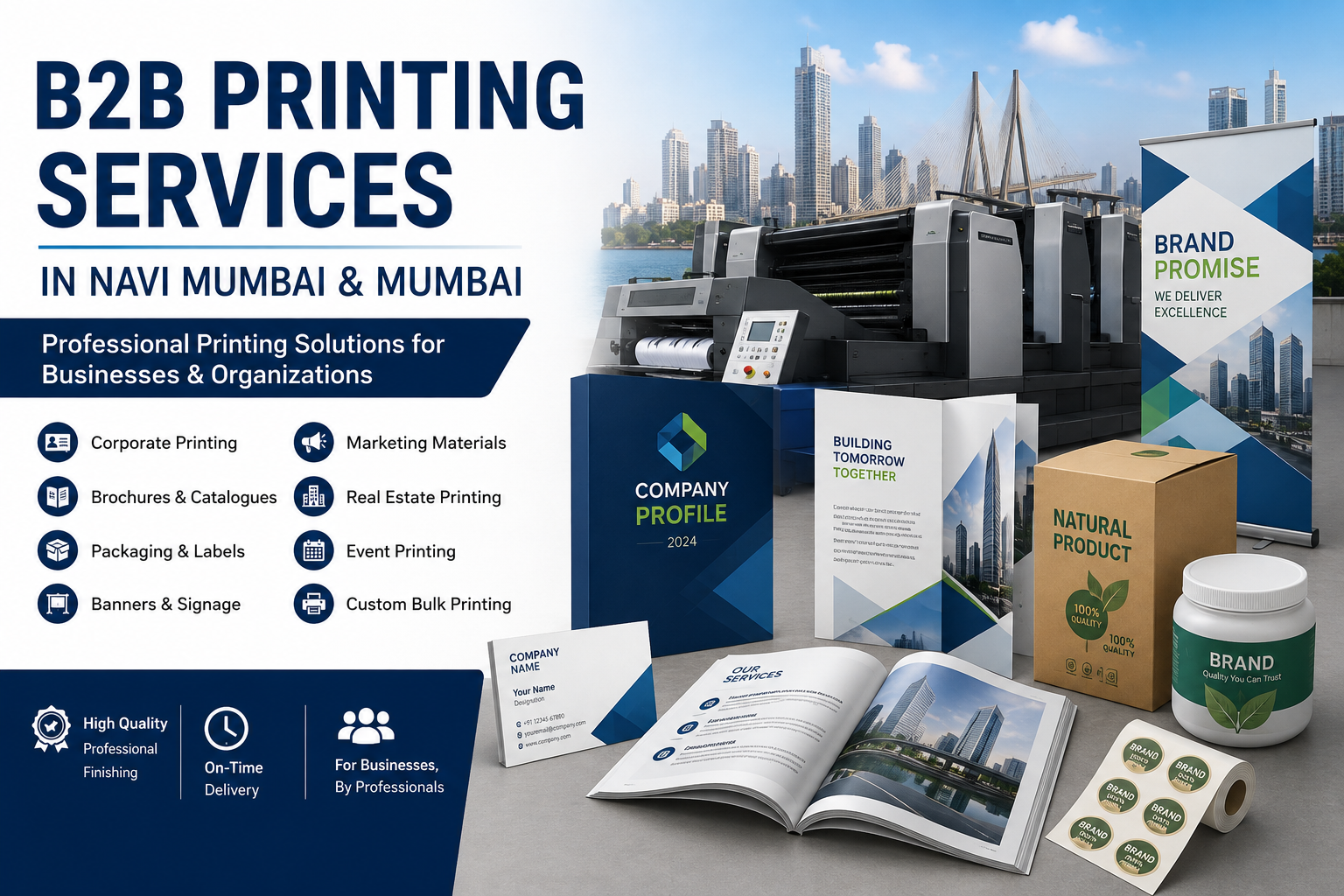
For printing, display and related business requirements in Navi Mumbai, use the printing-products enquiry guide. You can then send the project information through the APICSTOCK requirement form. APICSTOCK helps route enquiries; it does not replace technical design, statutory approval or a supplier’s site inspection.
Permissions, structure and electrical safety
Requirements can vary by location, building, road authority, landlord, housing society and sign type. Outdoor advertising, large structures, signs near roads, electrical signs and installations at height may require specific permissions or professional review.
Before fabrication or installation, confirm the applicable local rules with the relevant authority and property owner. You can also use the Bureau of Indian Standards Know Your Standard service to research potentially relevant Indian Standards. Structural supports and electrical work should be assessed and completed by appropriately qualified professionals. Never rely on a general online guide as approval for a specific installation.
Buyer checklist
- Written dimensions and material specification
- Artwork approval before production
- Colour and finish confirmation
- Lighting and power-supply specification
- Structure, mounting and waterproofing details
- Transport, installation and access equipment included or excluded
- Delivery timeline and payment stages
- Warranty coverage and exclusions
- Maintenance responsibility and replacement-part availability
- Applicable permissions confirmed
Frequently asked questions
What is the difference between signage and a sign board?
A sign board is an individual physical or digital sign. Signage is the broader system or collection of signs used across a place, organisation or route.
Which sign board is best for a shop?
There is no universal best option. The appropriate choice depends on frontage size, viewing distance, operating hours, landlord or local rules, budget, brand design and maintenance needs.
Is an LED sign board the same as digital signage?
No. LEDs can simply illuminate fixed letters or graphics. Digital signage normally displays changeable content using an electronic screen or display system.
How should buyers compare sign-board prices?
Compare identical scope: dimensions, material grade and thickness, structure, lighting components, finish, transport, installation, taxes, warranty and maintenance. A headline price without these details is not a reliable comparison.
Continue exploring APICSTOCK
Visit Guides & Articles for practical buying and business guides, or browse the APICSTOCK product catalogue for product discovery.
Editorial note: Product specifications, supplier terms and local requirements can change. Verify the current details before ordering or installing any sign.